Projects
Project Cheetah
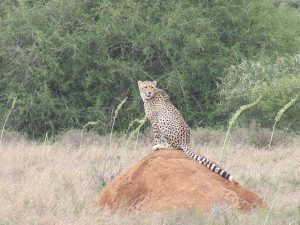
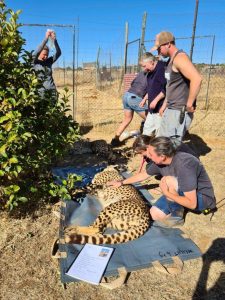
Project Cheetah, home to a number of endangered and threatened species, including cheetahs, leopards, male non-breeding lions, servals, caracals, African wildcats, wolves, meerkats and a Siberian tiger. This project takes in rescued animals from the local area, so they also have various animals from time to time, including a goat and antelope.
Project Cheetah offer a wide range of Volunteer and Internship Programs, which have seen over 1,000 hard-working, dedicated people from 33 countries come and be a special part of this Experience
Project Cheetah offers two different volunteering experiences. “Volunteering” and the “Working Holiday” options. On both options, you will be accommodated on the farm, get actively involved with the care and maintenance of the animals and enclosures, socialize with volunteers from all over the world and have the opportunity to explore the farm and surrounding tourism activities.
Project Predator Farm
PREDATOR FARM (NORTHERN CAPE)
This center is located in the well-known Free State province, which borders the Northern Cape. The farm is home to an abundance of animals; we are a home to 42 predators and 2 monkeys – the predators include: 4 cheetahs, 20 lions, 4 caracals, 2 servals, 1 African wild cat, 2 black-backed jackals and 9 bat-eared foxes. These animals are taken in to be cared for because of various reasons; some cannot live in the wild on their own if they are sick or were abandoned, and many are rescued from unethical processes like canned hunting and breeding for tourism purposes. When it is possible, we strive to release our animals back into the wild where they can live freely without any human interaction.
The farm not just a home but a sanctuary – we house animals that have been hurt, mistreated, or that need to be relocated. Animals that are not able to be relocated or released, will live their lives in peace on the farm. Our goal is to raise the big cats that we have as wild as possible so that they can be released to the wild, where they will be re-populating a diminishing population. Some cubs will be kept in the program as ambassadors that will help to educate people the importance of our animals.
Project Lion Park
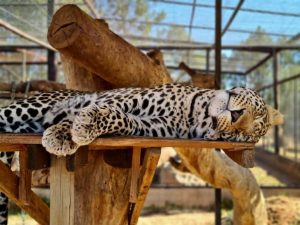
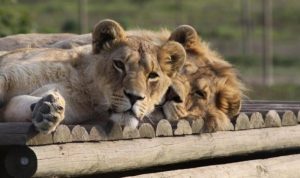
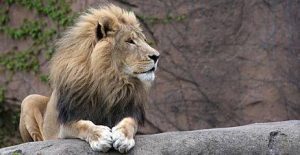
The Park was established in 1998 to provide lions in distress with sanctuary, where they could live in safety, free from abuse and persecution, and be treated with the compassion and respect they deserved.
The Park is actively involved in improving the quality of life of lions in captivity, locally as well as internationally, either by offering these animals a lifetime home or working in conjunction with other animal welfare organizations to secure a safe future for individual animals in dire need.
The Park is not involved in commercial breeding or trade and offers lifetime care to all of it’s animals. All the animals brought to the Park are captive bred / hand reared and cannot be rehabilitated to the wild. The animals at the Park are assured a chance of living out their natural lives in an enriched and safe environment.
As a genuine sanctuary, the Park is not involved in breeding or any form of commercial trade.
Project Lion Park is situated in the scenic Cape Winelands and although the Park is located in a rural setting, civilization is only minutes away in the town of Paarl!
Volunteers have the unique opportunity to become a part of our team of dedicated animal care givers and experience the day to day running of a lion sanctuary, working for the animals and not with them.
Projects where volunteers can work with lions are in most cases primarily captive breeding operations and volunteers who work in these programmes hand rearing lion cubs are ultimately working for the captive breeding industry.
Project Big 5 and Community
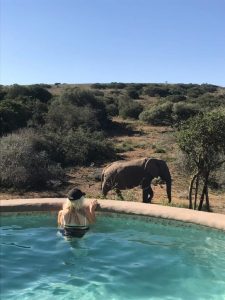
Feel the heartbeat and rhythm of Africa at Project Big 5 and Community, which has quickly become one of the finest tourist destinations in the Eastern Cape wilderness. Project Big 5 and Community is a malaria free premier Game Reserve which is home to the famous Big Five of South Africa.
In addition to the king of the jungle, impressive leopards, magnificent rhinos, graceful elephants and mystic buffalo that make up the big five; a diverse abundance of antelope and other species such as giraffe, warthog and cheetah roam the plains of Project Big 5 and Community which will provide you with everlasting African memories.
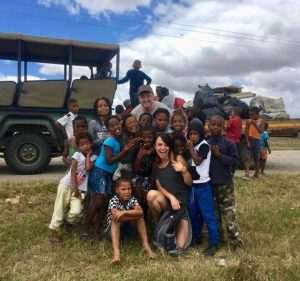
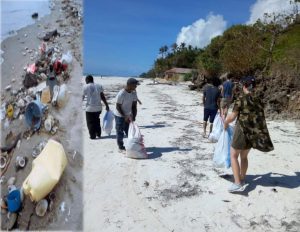
Project Big 5 and Community’s ethos is one of conservation and community support where volunteers get involved in the local Isipho Multi Purpose Center, Môreson Primary School and Sidbury Primary School and contribute by playing games, educating the children and partaking in several other fun educational activities. Volunteers also get involved with community clean ups and craft projects at the Craft Center.
For those volunteers seeking an experience to explore a corner of Africa and all its inhabitants, Project Big 5 and Community will not disappoint. All aspects of conservation are addressed in your experience, no matter how short your time with us.
Project Big 5 and Community continuously monitoring and managing game throughout the year. As a Volunteer, you will assist behind the scenes of the reserve on various ongoing conservation and community projects.
The main focus for community is the Isipho Multi Purpose Centre for vulnerable children and those affected by HIV AIDS as well as Sidbury School and Môreson Primary School.
Project Colobus Kenya
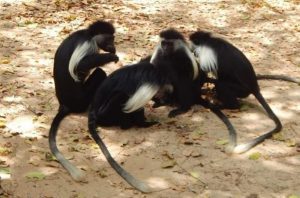
Volunteer in the beautiful beach resort town of Diani, on the south coast of Kenya. Would you like to experience living in the heart of one of the worlds top 25 biodiversity hotspots, where one of the last remaining patches of coastal coral rag forest meets the sandy white beaches of the Indian Ocean and help conserve the nationally threatened Angolan black and white colobus monkey?
Carry out wildlife and forest conservation overlooking the beautiful white sand beaches and clear waters of the Indian Ocean. Enjoy warm evenings socialising and dancing by moonlight at the local hotels and restaurants. On days off you can enjoy the opportunities for scuba diving, kitesurfing, windsurfing, stand-up paddle boarding, kayaking, skim and boogie boarding or exploring Shimba Hills National Reserve.
There are a variety of projects underway at Project Colobus at any one time. Activities you may be involved in
Project Gqeberha (Bird and Wildlife)
Situated in a valley between Port Elizabeth and Jeffreys Bay in the malaria-free Eastern Cape, Project Gqeberha started out as a family interest in rehabilitating orphaned and injured animals and birds, and over the years has grown into a larger operation. Since open to the public in 1992, several more animals and birds have been taken in and the sanctuary is now home to a large number of animals and over 250 species of birds. Most birds and animals are brought to the sanctuary by members of the public or referred from local veterinary practices. These have usually been injured or orphaned and can range from small birds to larger animals such as antelope and cats, Many of the parrots and monkeys at the sanctuary are unwanted pets who are brought to us and integrated into enclosures with other animals of the same species. Most of the animals not indigenous to South Africa have come from zoos and other wildlife parks throughout the country, these include Emu, Wallabies and Marmoset Monkeys.
Animals at the park include several buck species (common and blue duikers, grysbok, bushbuck, kudu etc.), Cheetahs, Servals, Lynx (caracal), Ground Squirrels, Marmosets, Squirrel Monkeys, Wallabies, Genets, Meerkats and Crocodile. Birdlife includes several birds indigenous to South Africa including the Knysna Loerie, Black Eagles, Blue Cranes, African Greys and Grey Crowned Cranes.
The centre is a sanctuary, meaning the majority of animals and birds that come to us are infants or injured. They are then cared for by our managers and volunteers and live out the rest of their lives at the sanctuary. Those fortunate enough to live a life in the wild at their full potential are released where possible. Many of the non-indigenous species can unfortunately never be returned to the wild, so we aim to make their lives in captivity as fulfilling as possible.
Project Dolphin Coast (primates)
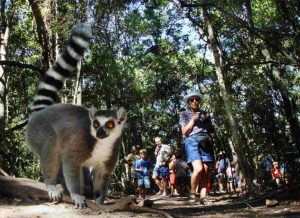
Project Dolphin coast opened its doors to the public in April 2019. At this project you will see multiple species of primate roaming freely around the 23-hectare forest. The primate species at include Buff-Cheeked Gibbons, Squirrel Monkeys, Ring-tailed Lemurs, Black and White Ruffed Lemurs and Capuchin Monkeys. Many of the primates are originally from exotic habitats and the forest does not, therefore, naturally provide enough appropriate food. The project, therefore, supply of variety of foods daily to fulfil their needs. In addition to the forest, there is a restaurant at the reception area, a souvenir store, children’s play area and an environmental cinema. All of the primates are free-roaming in the forest, not kept in cages so, unlike most wildlife volunteer programmes, there’s very little, if any, shovelling of animal poop. The only exception is if they have new arrival(s) in the pre-release enclosures or a primate undergoing some kind of medical treatment. These situations are fairly rare but are the only times that any of their primates will be in enclosures which will need to be regularly cleaned.
Please note that the project are 100% hands-off. The project do not allow staff, volunteers or members of the public to touch, hand-feed or in any other way interact with the primates in their care. The aim is to give them as natural a life as possible.
Project Wild ZA
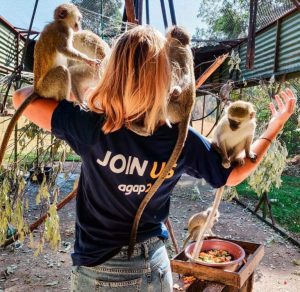
Project Wild is a wildlife rescue and rehabilitation centre based at the foot of the stunning Hlumu Hlumu Mountains in the Mpumalanga region of South Africa. This is the only primate rehabilitation in the province, and as such their work focuses mainly on vervet monkeys. The majority of these monkeys come in as tiny babies after their mothers have been shot, poisoned or hit by cars or killed so that people can raise the
baby as a pet. They also take in any other wildlife that needs to be rescued and to date have successfully worked with
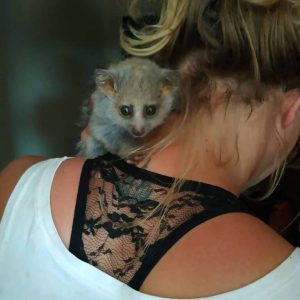
mongoose, many antelope and bird species, warthog, bushpigs, bushbabies,
small predators and reptiles. Project Wild is
a non-profit organisation and, with no government support, relies solely on the donations from volunteers to continue its
vital work. Without the volunteers, Project Wild would not exist and the many animals they take in each year would not have a future. They take in injured, orphaned and displaced wildlife with the aim of rehabilitation and release back into protected areas of the wild. They also take in any
unwanted exotic pets and give them a home in the most natural conditions possible. Each species requires a different approach to rehabilitation and you will be involved
in many different processes including troop bonding for social animals and re-wildling for solitary animals. The final aim is always to release any animal back into the wild
wherever possible. This involves finding a suitable site, ensuring the animal is in the best condition to survive and securing the necessary paperwork. Only through education can we change the mindset of the public with regards to wildlife. Project Wild was founded in 2010 to address the growing need for a rehabilitation
centre in Mpumalanga. From the first duiker they took in in 2010, the centre has grown exponentially and now houses around 100 animals. These are mainly vervet monkey troops that are going through the 3 year
rehabilitation process but they also have, or have had, baboons, mongoose, predators, birds and antelope.vReleases: Their main aim for any animal at the centre is release. They are not a zoo and do not keep animals for the purpose of volunteers to ‘pet’. Wherever possible
they release animals as soon as they are ready.